How Commercial Truck Accident Claims Differ From Car Accident Cases
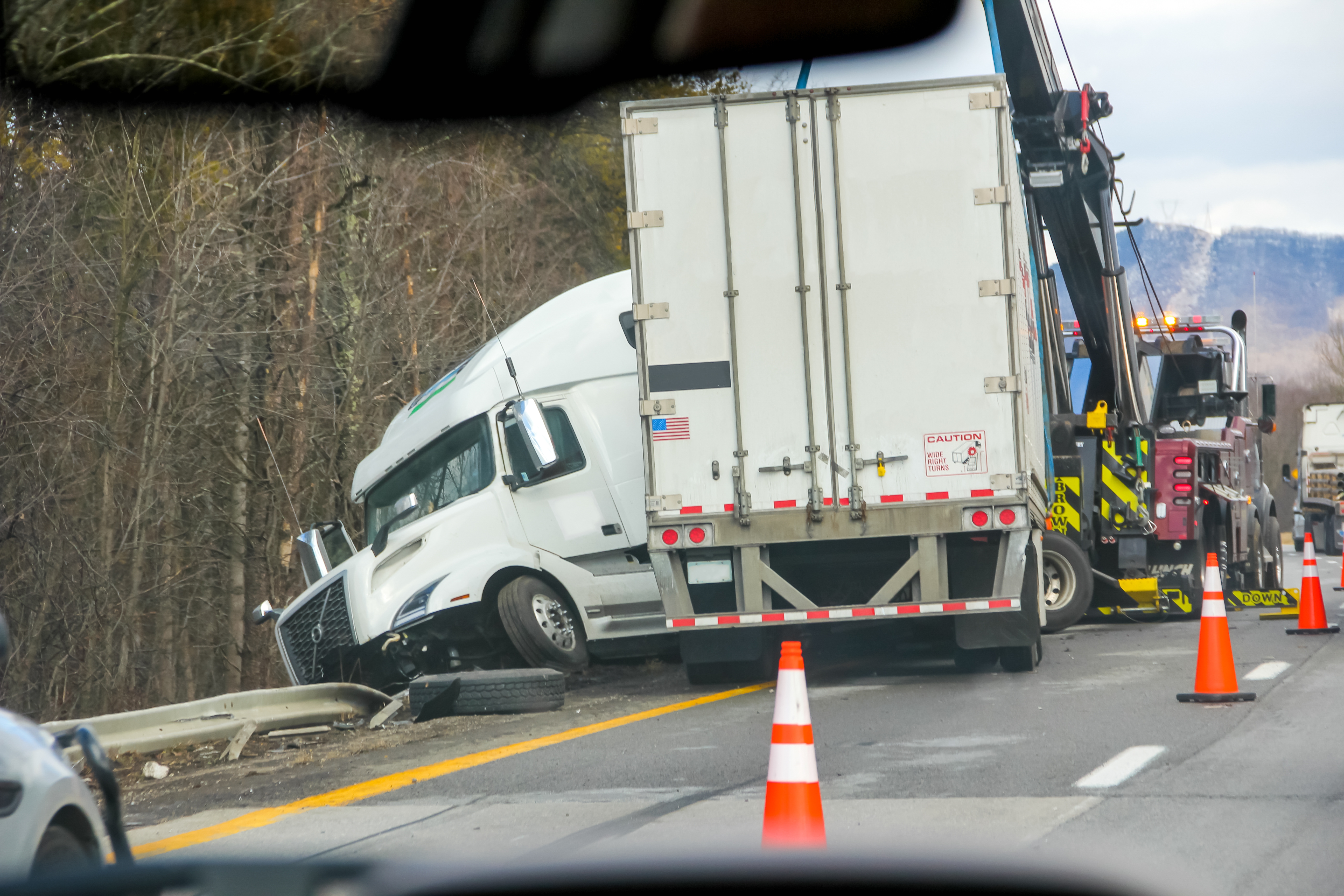
- In a truck accident, you may suffer far more serious injuries and property damage than in a typical passenger vehicle collision.
- Commercial truck accident claims involve complex regulations, specialized evidence, and potentially multiple liable parties.
- Higher insurance limits on trucking company policies don’t guarantee greater compensation, particularly when multiple insurers dispute liability or damages.
- Working with a trusted Southern California truck accident firm like OakTree Law can significantly strengthen your claim, providing the experience and resources required to navigate complex cases and secure maximum compensation.
Because of their enormous size and weight, trucks often cause devastating injuries and substantial property damage in collisions. Yet it’s not just the severity of these consequences that can make your semi-truck accident claim more complicated than a car accident case.
Factors such as establishing liability and fighting aggressive insurance tactics add difficulty to the claims process. Here’s what you need to know about the complexities of truck accident lawsuits.
Why Commercial Truck Accident Claims Are Different
The sheer mass of commercial trucks generates tremendous force in a collision. If you’re involved in a truck wreck, you may suffer traumatic brain injuries, spinal cord damage, severe fractures, and significant internal injuries. Your vehicle may be crushed or overturned, pinned beneath the truck, or pushed off the roadway, resulting in extensive damage or total destruction.
Beyond this devastating toll, pursuing a commercial truck accident claim involves a host of legal and investigative challenges that can make securing the compensation you deserve considerably more complicated than in a typical car accident case.
Who May Be Liable After a Truck Accident?
Establishing responsibility, and by extension, liability, in a truck accident lawsuit requires detailed knowledge of federal and state regulations, including:
- Hours-of-service limits
- Rules of the road
- Vehicle inspection and maintenance obligations
- Driver qualifications and training requirements
- Cargo loading standards
Violations of these regulations can help establish negligence, but determining who is legally responsible often involves a close look at several parties and their roles in the wreck.
Drivers
Commercial drivers may be responsible for speeding, distracted driving, fatigue, impairment, or other negligent behavior.
Trucking Companies
Company ownership or management may bear responsibility for negligent hiring, inadequate training, poor vehicle maintenance, illegal rest scheduling, or additional failures to comply with safety regulations.
Cargo Loaders
Distributors and other cargo loading companies may share liability if improperly loaded or unsecured cargo contributed to the collision.
Maintenance Providers
If there is evidence of delayed or incomplete inspections and insufficient repairs, accidents caused by mechanical failures may be attributed fully or in part to maintenance providers.
Other Entities
Truck or parts manufacturers may also be held liable in your commercial truck accident claim if defective brakes, tires, steering components, or other equipment contributed to the accident. Federal, state, and local authorities responsible for road maintenance and traffic management issues can be at fault as well.
The challenge of identifying every responsible party and establishing their respective liability underscores the importance of working with an experienced commercial truck accident lawyer.
What Evidence Matters Most in Your Truck Accident Lawsuit?
Key pieces of evidence, such as scene photographs, video recordings, witness statements, police reports, and medical and damage assessments, come into play in commercial truck accident claims in the same way they do in other collision claims.
However, additional evidence often proves critical in establishing truck accident liability.
- Driver Logs: Records that document driving hours may reveal hours-of-service violations. Electronic Logging Devices (ELDs) are federally mandated for the majority of truck drivers; these devices ensure greater accuracy and veracity than written logs.
- Electronic Control Modules (ECMs): ELDs work by pulling data from a truck’s ECM. The data retrieved from these modules can reveal critical details in commercial truck accident claims, including vehicle speed, braking, and other operating conditions before your collision.
- Driver Work Records: In a truck accident lawsuit, your attorney may review the driver’s qualifications and employment history to establish whether they were properly licensed and trained.
- Vehicle Maintenance History: Semi-truck accident claims can be impacted by neglected repairs, recurring mechanical problems, overdue inspections, or safety violations identified in the vehicle’s service records.
- Cargo Documentation: In commercial truck accident claims, what a truck was carrying and how it was loaded may play a role in determining liability. Excessive weight or unsecured cargo can impact vehicle and driver performance.
This is where the skill of an experienced commercial truck accident lawyer becomes most crucial. Even when there are clear concerns or violations, you must demonstrate how the actions or inactions of the involved parties contributed to the collision and your injuries.
How Insurance Coverage Can Affect a Claim
Commercial truck accidents also differ from passenger car crashes because the insurance landscape is more complicated.
Multiple Insurers
In a truck accident lawsuit, the evidence in your collision may point to multiple liable parties.
- The driver may have been on the road longer than the hours-of-service limits allow.
- The company that owns the semi-truck involved in your accident claim may have failed to complete mandatory inspections on time.
- The shipper may have neglected to properly secure the truck’s load, allowing cargo to shift dangerously during transport.
- Parts manufacturers may have produced defective vehicle components that impacted operational performance.
When multiple parties share comparative fault for your accident, securing fair insurance compensation becomes that much more difficult. Each insurer may conduct its own investigation or dispute liability. Policies may have separate limits and exclusions that affect compensation. Even simple negotiations become more complicated with more insurers involved.
Larger Policies
Commercial trucking operations typically carry substantially higher liability insurance limits than passenger vehicle owners. While this might represent a bigger source of compensation for your claim, higher coverage limits don’t always translate to higher payouts.
Insurance companies are for-profit businesses. They may issue higher-limit policies to commercial vehicles, but insurers remain profitable, in part, by paying out as little as possible on accident claims.
When attempting to secure maximum compensation for your commercial truck accident claim, you might encounter aggressive defense strategies on the part of the involved insurers.
Aggressive Insurance Tactics
To avoid a big settlement, insurers may:
- Dispute the liability assigned to the party they cover.
- Contest evidence by employing their own reconstruction specialists and medical experts.
- Refute the severity of your injuries. They may also attempt to blame your injuries on delayed treatment or preexisting conditions.
- Challenge the extent of your projected future losses.
Without the help of an experienced commercial truck accident lawyer to fight these tactics head-on, you risk accepting a settlement that falls far short of the compensation you deserve.
When to Contact a Truck Accident Attorney
When you’ve been seriously injured in a commercial truck accident, the success of your claim often relies on prompt action. Connecting quickly with a personal injury lawyer skilled in truck accident lawsuit negotiations can help ensure:
- Compliance with filing deadlines.
- Thorough and swift Investigation into the accident and its causes.
- Identification of all potentially liable parties.
- Preservation of key records and evidence.
- Detailed examination of all pertinent regulatory and safety concerns.
- Accurate calculation of current and projected damages.
- Effective coordination of expert witness testimony to support your claim.
- Strong negotiation that puts you in the best position to receive maximum compensation.
Schedule Your OakTree Law Consultation Today
Commercial truck accident claims demand thorough investigation, knowledge of regulations, careful valuation, and strategic handling of evidence and insurers. Since 2010, OakTree Law’s commercial truck accident lawyers have brought their extensive experience to their tireless advocacy for victims just like you.
With a FREE case evaluation and no attorney fees unless we win, there is no financial risk in exploring your right to full and fair compensation. Contact OakTree Law now.